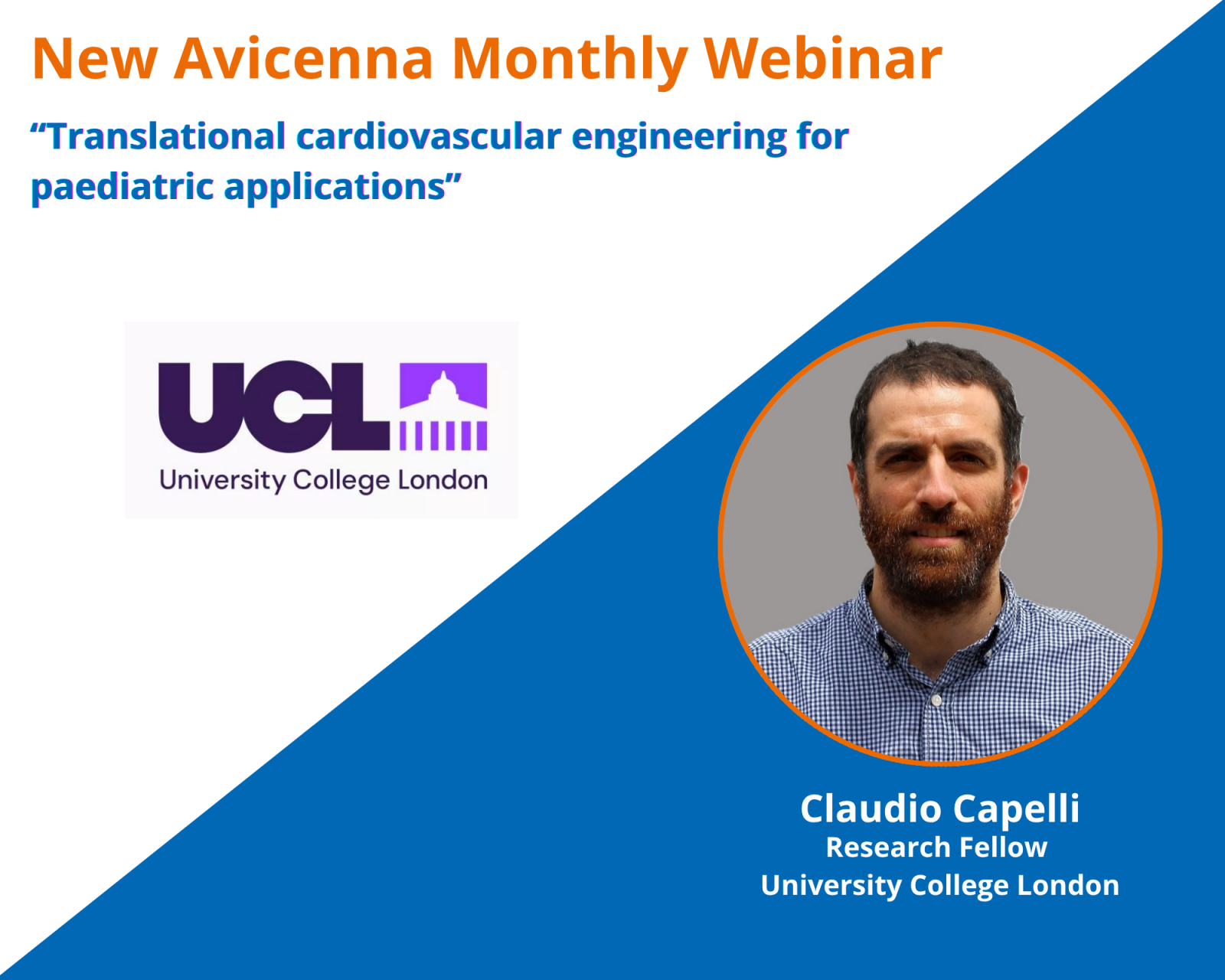
FUTURE WEBINAR - 2026, Tuesday October 13th - “Translational cardiovascular engineering for paediatric applications”
CLICK HERE TO REGISTER
Paediatric hemodialysis often relies on central venous lines (CVLs) as the primary vascular access, despite their susceptibility to flow related complications that can affect dialysis efficiency and lead to premature catheter replacement. The available CVLs feature various design elements reflecting ongoing efforts to achieve optimal performance. This study applies computational fluid dynamics (CFD) within an optimisation framework to evaluate four paediatric CVL models across multiple geometric configurations. Key performance indicators—including flow distribution, shear stress, residence time, and platelet lysis index—were quantified to identify the most influential design features. Optimisation algorithms were applied to iteratively and systematically modify the baseline design based on the CFD results. Investigation of CVL models explanted from patients was carried out to investigate the presence and nature of occlusions within the devices. This work aimed at enhancing long term clinical performance of paediatric CVLs by combining engineering tools with clinical data.